
Have you ever wondered how thin metal components like computer housings, vehicle covers, or metal cladding parts are made? It all lies in the sheet metal stamping method – a technology that plays a foundational role in modern manufacturing.
WHAT IS SHEET METAL STAMPING?
Sheet metal stamping is the process of applying mechanical force onto a metal sheet to shape it into specific metal stamping parts.
Imagine you have a flat sheet of metal; after just a few minutes of going through the required steps, it transforms into the computer frame you use every day. This process allows mass production in a short time, helping not only to save significant time but also to minimize material waste.
Advantages:
- High speed: Can produce hundreds of metal stamping parts per hour.
- High precision: Tolerances reach micrometers, ensuring each product has stable dimensions and uniform shapes.
- Low cost: Once the die is completed, each stamping cycle produces one part in just a few seconds, making it ideal for mass production.
Disadvantages:
- High die manufacturing cost: Die fabrication requires calculations of factors such as elasticity, sheet deformation, stamping force, tolerances, and many other testing steps, making the design stage very time-consuming and labor-intensive. Therefore, the initial die cost becomes very high.
- Not flexible for design changes: Even a small design modification requires the metal stamping manufacturer to remake the die, which is unsuitable for products that need frequent updates.
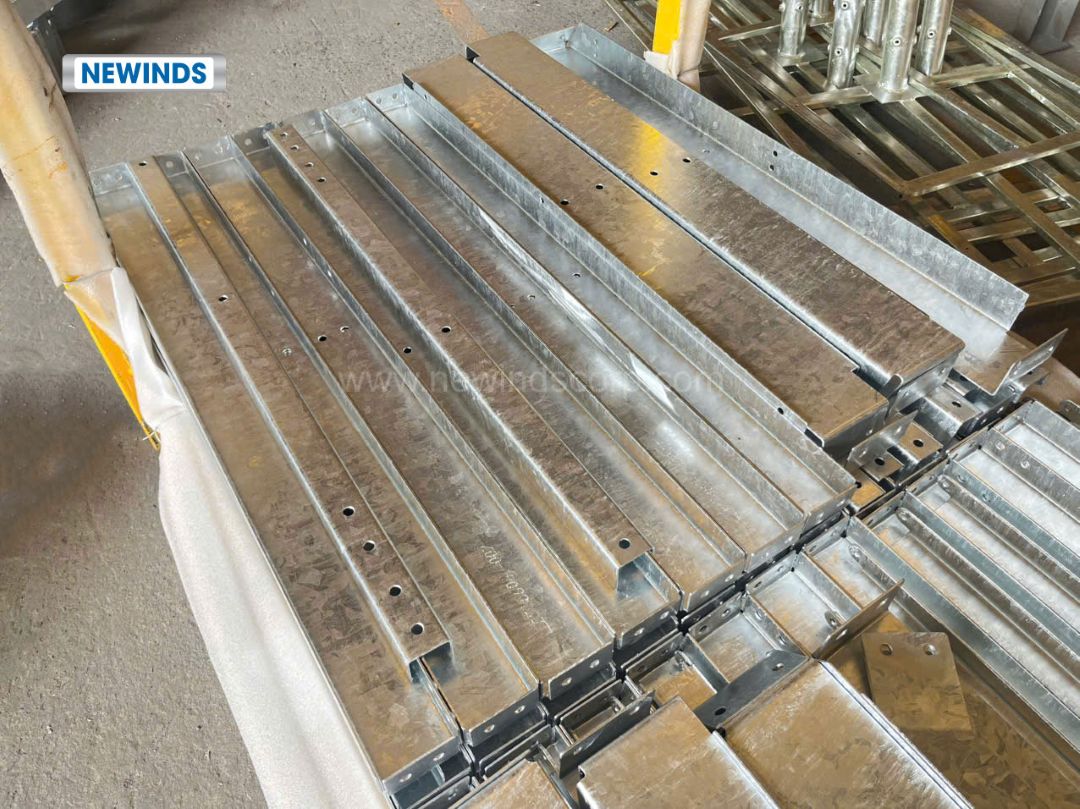
SHEET METAL STAMPING PROCESS
The sheet metal stamping process includes many steps, from material preparation to product finishing. This is a continuous process performed on specialized stamping machines with forces reaching thousands of tons.
- Step 1: Preparation: Metal sheets are cut to the appropriate size. The material must be clean and free of defects to avoid errors during stamping.
- Step 2: Blanking: Using the die to cut the metal sheet into its basic shape. This is the “cut-off” step that creates the blank.
- Step 3: Piercing: Punching holes or slots into the sheet, often used for later assembly.
- Step 4: Bending: Bending the metal sheet to the desired angle to form simple 3D shapes.
- Step 5: Drawing: Stretching the sheet to create deeper shapes such as cups or boxes.
- Step 6: Embossing and Coining: Creating raised patterns or flattening surfaces to improve strength and aesthetics.
- Step 7: Finishing: Includes grinding, polishing, or coating for corrosion protection.
With today’s technological development, most metal stamping manufacturers perform this process using CNC machines, helping ensure high precision and increasing the production output of metal stamping parts many times over.

MATERIALS AVAILABLE FOR METAL STAMPING
In fact, not all metals are suitable for stamping; they must ensure ductility, strength, and good formability.
- Steel: Includes carbon steel (low cost, durable) and stainless steel (high corrosion resistance). Ideal for automotive and industrial equipment.
- Aluminum: Lightweight, easy to form, corrosion-resistant. Common in aerospace and electronics.
- Copper: Highly conductive and ductile. Suitable for electrical components and tubing.
- Brass: A copper-zinc alloy with good aesthetics and wear resistance. Used in decorative and hardware applications.
- Titanium: Extremely strong and lightweight, but expensive. Applied in medical and aerospace industries.
MATERIALS NOT SUITABLE FOR STAMPING
- Materials that are too hard: Hardened steel, high-carbon steel > 0.8% C, hardened tool steel, some high-grade titanium alloys.
- Materials that are too thick: Steel sheets > 10–15 mm, thick stainless-steel plates for structural use, high-strength heavy alloy plates.
- Some alloys with very poor formability: Certain magnesium alloys, aluminum 7000 series alloys, nickel-based superalloys.

APPLICATIONS OF SHEET METAL STAMPING
Sheet metal stamping is widely applied across various industries thanks to its ability to create precise and durable metal stamping parts. Below are some of the most common applications:
- Automotive: Producing body panels, chassis components, hoods. For example, Tesla uses stamping to create lightweight and safe electric-vehicle frames.
- Electronics and home appliances: Manufacturing computer housings, refrigerators, washing machines. Stamping enables complex shapes without excessive welding.
- Aerospace: Aircraft components such as wings and seat frames. Lightweight materials like aluminum and titanium are preferred.
- Medical: Equipment such as surgical trays or hospital bed frames.
- Construction: Producing windows, roofing, and ducts. Stamping supports fast, large-scale production.
NEW TRENDS IN SHEET METAL STAMPING
The year 2026 will mark a technological boom in sheet metal stamping, focusing on efficiency, sustainability, and intelligence. Based on industry reports, these are the outstanding trends that metal stamping manufacturers should update and adopt:
- Automation and Robotics: Cobot systems (collaborative robots) are replacing manual labor, increasing production speed by 30–50%.
- AI and Digitalization: Using AI for real-time quality control, defect prediction, and process optimization. Connected machines (IoT) enable data collection, leading to smart manufacturing under Industry 4.0.
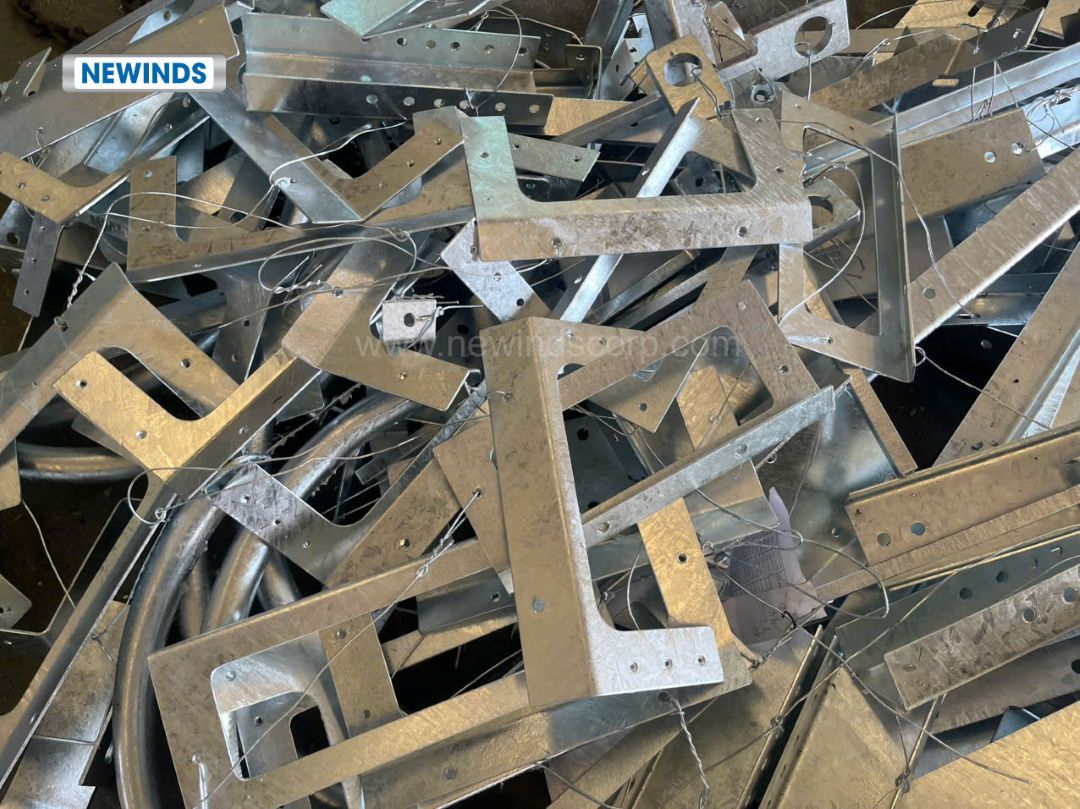
- Sustainability and Energy Saving: Focusing on recycling metal scrap and using eco-friendly materials. Companies like Seconn are leading with low-energy, low-waste processes.
- Agile Production: Shifting from mass production to rapid customization thanks to advanced CNC systems and hybrid manufacturing (combining stamping with 3D printing).
- Advanced Materials: Developing new alloys with higher corrosion resistance and integrating laser cutting to increase precision to the micrometer level.
If you need a high-quality metal stamping manufacturer offering tailored sheet metal stamping solutions that meet international standards.
Contact Newinds:
Email: sales@newindscorp.com
Phone/Whatsapp/Zalo: Ann Yen +84 868 482 038